
Buyer guide · · 6 min read
1121 vs 1509 Basmati: which should you import?
Both are long-grain Indian Basmati and both ship in Raw, Steam and Sella. The difference that matters to an importer is grain length against landed cost, and which one your market will actually pay for.
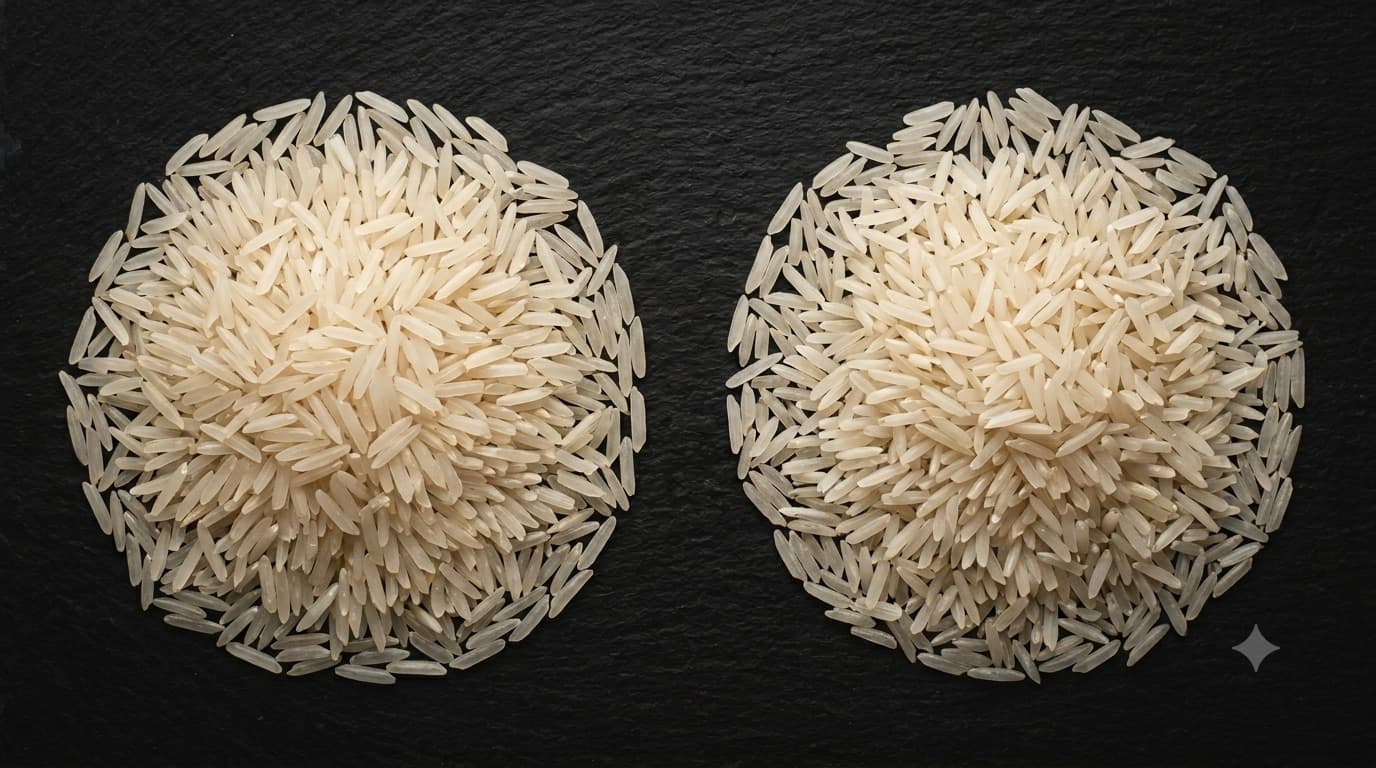
Two varieties dominate Indian Basmati export enquiries: 1121 and 1509. They are often quoted side by side, and buyers new to the category sometimes treat the choice as a simple question of price. It is not. The two behave differently in the pot, sell into different shelves, and carry different risks on a long contract.
Here is how to decide between them.
What separates them
Both are long-grain Basmati and both are supplied in Raw, Steam and Sella forms. The difference that matters commercially is grain length and what the market will pay for it.
| 1121 | 1509 | |
|---|---|---|
| Raw grain length | approximately 8.3 mm and above | approximately 8.2 mm and above |
| Grade description | Premium extra long | Long grain |
| Processing forms | Raw, Steam, Sella, Golden Sella | Raw, Steam, Sella |
| Usual position | premium retail and food service | commercial volume |
That looks like a small gap on paper. In practice, 1121 has been the reference extra-long-grain Basmati for the export trade for years, and buyers who sell on grain length specify it by name. 1509 is a shorter-duration crop, which generally makes it the more competitively priced of the two.
Cooking behaviour
Grain length is what the buyer sees before cooking. Elongation is what the buyer sees after.
1121 is specified for strong cooking elongation, which is why it holds its position in markets where the cooked grain is judged on the plate: biryani houses, catering, and retail packs sold on appearance. Where elongation ratio matters to your customer, write it into the specification rather than assuming it.
1509 cooks well and holds a clean grain, but it is not usually the variety a buyer reaches for when the selling point is the longest possible cooked grain. It is the variety a buyer reaches for when they need dependable Basmati character at volume.
Choosing a processing form
The variety sets the grain. The processing form sets how it cooks and how it looks on the shelf, and the two decisions are separate.
- Raw is milled without heat treatment. It keeps the finest aroma and the most slender grain, and suits markets that cook rice gently.
- Steam is soaked and steamed before milling. Steaming firms the grain and retains aroma, without the colour shift of parboiling.
- Sella is parboiled. The grain cooks firm and separate with a low breakage rate, which suits food service and high-volume kitchens.
- Golden Sella is parboiled to a deeper golden colour, and is specified for retail markets that read the golden hue as a mark of quality.
Note that Golden Sella is offered on 1121 and not on 1509 in our range. If your market specifically wants the golden retail presentation, that narrows the decision for you.
The parameters to write down
Whichever variety you choose, the contract is where the money is. These are the parameters buyers can specify on Indian Basmati:
Grain length, broken percentage, moisture, chalky grains, damaged grains, foreign matter, admixture, purity, aroma, cooking time, elongation ratio, ageing, crop year and sortex level.
Three of those cause most of the disputes:
Broken percentage. This is a contract parameter, not a fixed property of the variety. State the maximum you accept and have it confirmed against the lot before shipment, with the result on the Certificate of Analysis.
Admixture. A lot sold as 1121 can carry a percentage of other varieties. Specify the limit. If a quote is unusually cheap for the stated variety, admixture is the first thing to check.
Crop year and ageing. Aged Basmati cooks differently from fresh crop, and some markets pay for age. If ageing matters to your customer, it belongs in the specification with the crop year, not in a verbal assurance.
So which should you import?
Choose 1121 if your customer buys on grain length and cooked appearance, if you sell into premium retail or food service, or if you need Golden Sella for a market that expects the golden pack.
Choose 1509 if you are supplying commercial volume where Basmati character matters but the extra millimetre does not carry a price premium in your market, or if landed cost is the constraint that decides the order.
A number of buyers run both: 1121 for the branded line, 1509 for the value line or for food service. If that is your situation, quote them together and keep the specification sheets separate, because the acceptance criteria are not the same.
Before you order
Ask for the specification in writing, with the variety, the processing form, the broken percentage, the admixture limit and the crop year all stated. Ask what documentation travels with the container. Then ask for a sample against that specification, and hold the shipment to it.
If you would like both varieties quoted against the same volume and destination, send the specification and we will come back within 24 hours.
This guide is general information for buyers, not a substitute for the requirements of your destination market. Confirm current rules with your own customs broker or authority.